
As a physician and a mother, I have seen firsthand how Washington’s decisions ripple into the exam room and around the kitchen table. At a time when healthcare debates often divide, it is worth recognizing leaders who safeguard freedom while tackling real health needs. The Trump administration is doing exactly that: protecting access, preserving choice and confronting public-health challenges while trusting families and their physicians to decide what is best.
President Donald Trump is proving that when Washington listens to everyday Americans and acts with urgency, real change is possible. For too long, the crushing cost of prescription drugs has forced families to make an impossible choice between filling a prescription and paying their bills.
Lowering drug prices has been a cornerstone of his presidency, and he has taken meaningful steps to deliver by expanding generics and biosimilars, implementing historic price transparency rules, capping insulin costs for seniors, advancing TrumpRX to increase competition to increase competition and direct access, and pursuing a ‘Most Favored Nation’ policy, so Americans are no longer paying more for medications than patients in other developed countries.
These policies represent an important shift toward putting patients, not middlemen, first. It’s a strong and necessary start, but sustaining this momentum by increasing competition and expanding access will be critical to finally bringing lasting relief to Americans.
This is not the first time Trump has revolutionized healthcare access. He set the tone during his first term with Operation Warp Speed, a milestone in American biomedical history, after COVID-19 paralyzed the world six years ago this month. By pairing private‑sector innovation with decisive federal coordination, it accelerated effective vaccine development and distribution; proving speed and rigor can coexist when government clears paths instead of creating bottlenecks. Just as important, it expanded options for patients and families, reinforcing a simple principle: access first, always.
What followed, however, is where public trust began to erode. Not because of Operation Warp Speed, but because its success was taken over by bureaucratic overreach. I watched in real time as public trust in health institutions collapsed, common sense was dismissed, legitimate debate was shut down and universal COVID vaccine mandates were imposed. Patients did not turn away from the vaccine recommendations because of the science; they turned away because of coercion despite evolving science and varying risk levels.
When personal autonomy gave way to mandates, they undermined confidence in both institutions and vaccines themselves. The result wasn’t the product of Trump’s leadership and scientific progress; it was the consequence of power being prioritized over personal choice.
Today, this administration is again pursuing strong public‑health outcomes without treating Americans as bystanders. Trust should be built where it matters most: in the home and in the doctor’s office. Parents want choice. Doctors want access. Parents overwhelmingly trust their own physicians. Doctors who know a child’s history and needs should remain the most trusted voices and, increasingly, America’s health agencies are speaking that same language.
The recent shift in tone from top health leaders is significant and worth recognizing. Acting Centers for Disease Control and Prevention Director Jay Bhattacharya is urging Americans to get the measles vaccine as cases rise and the U.S. risks losing its hard-won elimination status. He called the decision ‘deeply personal’ while making clear that ‘measles is preventable and vaccination remains the most effective way to protect yourself and those around you.’
Centers for Medicare & Medicaid Services Administrator Mehmet Oz echoed that in February: ‘There will never be a barrier to Americans getting access to the measles vaccine. It is part of the core schedule.’ This is what responsible public health communication looks like: honest, direct, and rooted in science, without coercion.
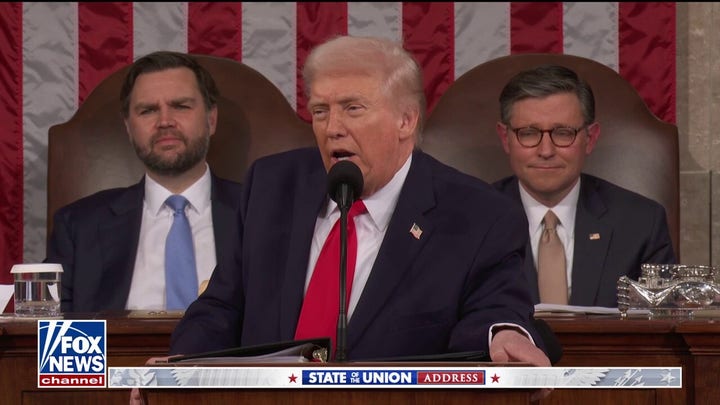
President Donald Trump is proving that when Washington listens to everyday Americans and acts with urgency, real change is possible.
<!–>The challenge now is sustaining this posture. Keeping vaccines available, affordable and accessible is not a concession to one side of the political debate, it’s broadly popular across the spectrum and conservatives are no exception. Skepticism of mandates and top-down health edicts does not translate into a desire to see vaccines become harder to get or more expensive to access. Americans want the freedom to make their own choices alongside their doctors and that freedom is only meaningful when access is guaranteed.
At the same time, the message must be clear: removing mandates does not mean vaccines are no longer recommended, or they have somehow been deemed unsafe. Vaccines remain one of the most effective tools in modern medicine. When vaccination rates fall, history and modern-day show that preventable disease and mortality rise.
Trump understands this, and his agencies need to hold the line: speak honestly about what the science says, respect personal decision-making and ensure that no American faces a barrier to a vaccine they want. That’s a winning posture politically — and more importantly, it’s the right thing to do.
